
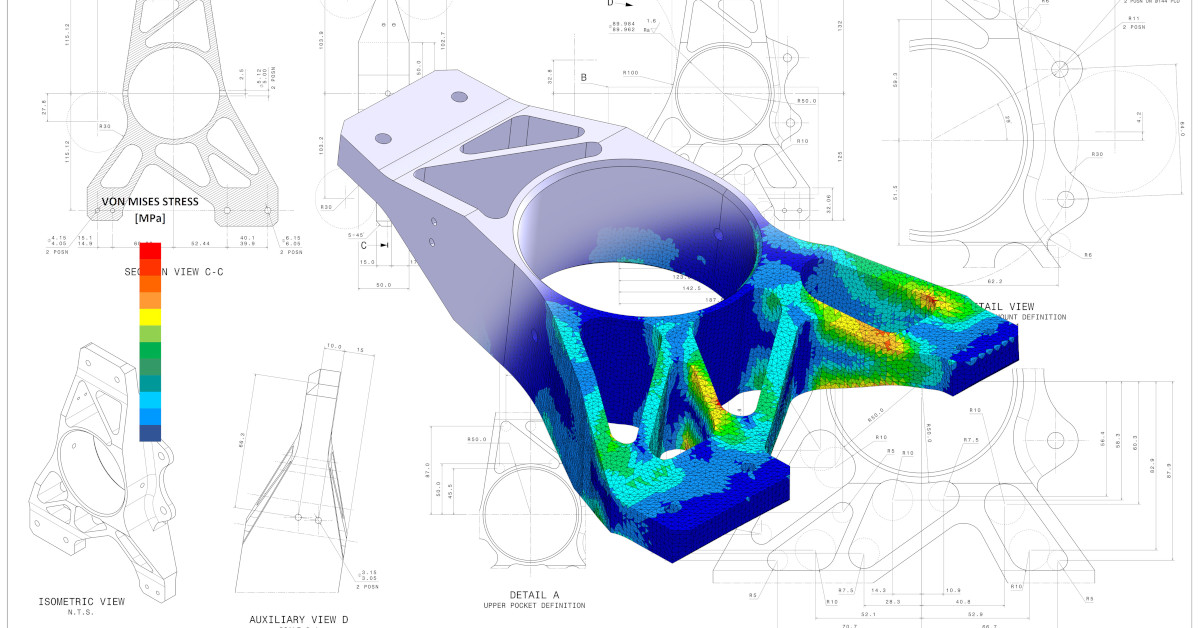
Finite Element Analysis (FEA) models predict how a structure or component will behave under load — but a model is only as trustworthy as the real-world data behind it. That’s where ITM comes in: we run the physical tests and capture the measured strain, stress, and vibration your team uses to validate and fine-tune its FEA models.
ITM doesn’t build the models — your engineers (or their analysis partners) own the FEA. What we provide is measured reality: precise, well-instrumented test data from the actual asset, so your simulation reflects how the part behaves in service, not just in software.
On a recent large-scale engine program, for example, ITM handled the physical testing — a custom high-channel-count telemetry system transmitting engine data to a receiver sampling at an extremely high rate — to give the client’s analysts the correlated, real-world data their FEA models needed.
“Once you are able to bring in the test data and compare it to the simulated data, you are able to fine tune your FEA simulation to better reflect the real-world application,” said ITM engineer Ryan Matthews.
For high-value assets, repeated testing to failure isn’t feasible — the cost of bringing the equipment to failure is simply too high. The answer is to correlate a limited number of physical tests to the model, then let the validated model do the rest.
“Sometimes you are only going to be able to test a structure or a part once before it fails,” says Matthews. “So it becomes crucial to do a limited number of physical tests then correlate that to your FEA. Then you can pretty much run unlimited simulations.”
In short: the modeling is yours; the measured proof is ours. Well-planned physical testing turns an FEA model from a prediction into a validated tool you can rely on.
For more information about our testing and strain gauging, contact Ryan Welker via email at ryan.welker@itestsystem.com or by phone @ (844) 837-8797.
Validating a model on a one-shot test article? Talk to our engineers about the physical testing that gives your FEA model the real-world data it needs.
Related solutions
Testing Services
Physical strain, stress, and vibration testing that anchors your simulations to reality. Explore →
Strain Gauge Services
Precision strain-gauge placement and installation for accurate, real-world measurement. Explore →
Engineering Consulting
Test-program management and the measured data your models need. Explore →
Recent insights
-
 Aerospace Engineering, Aerospace Testing, Blue Origin, Engineering, ESCAPADE Mission, Launch Vehicle Engineering, New Glenn, Rocket Reliability, Strain Measurement, structural health monitoring, Structural Testing
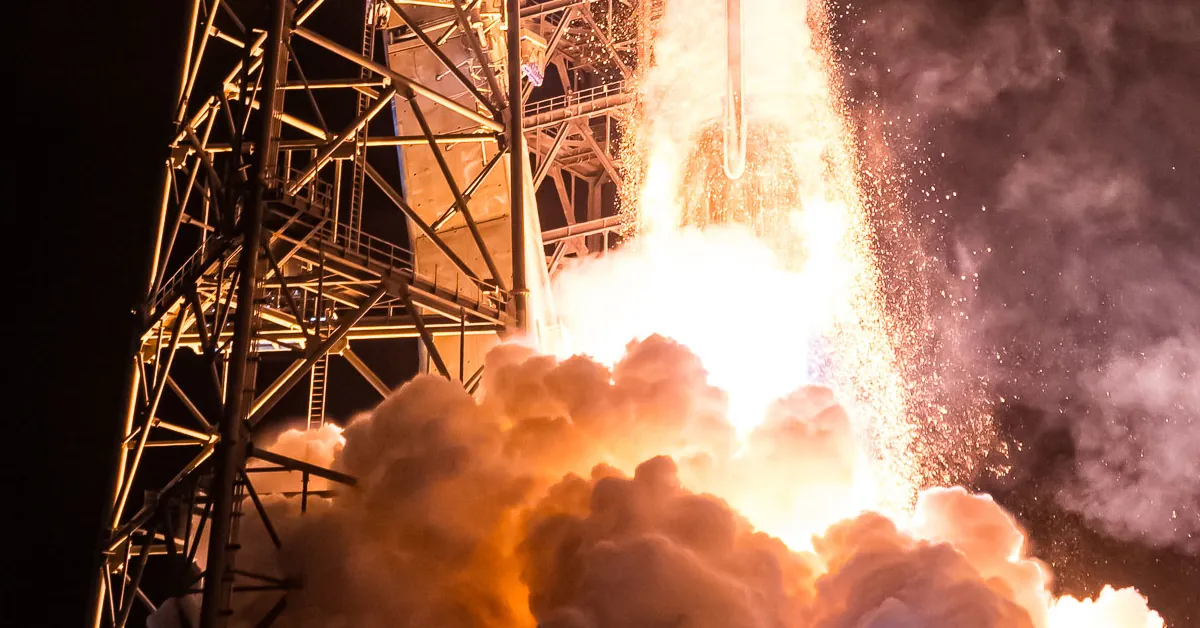
How Pre-Launch Structural Testing Ensures Mission Success
When Blue Origin’s New Glenn rocket successfully launched NASA’s ESCAPADE mission to Mars, it marked a historic step forward for commercial launch technology — and a testament to the unseen engineering that happens long before a vehicle ever reaches…
-
 6D Testing & Analysis, Accelerometers, data acquisition systems, design validation, Engineering, engineering measurement, experimental modal analysis, impact hammer testing, mechanical engineering, modal testing, structural dynamics, Structural Testing, vibration testing
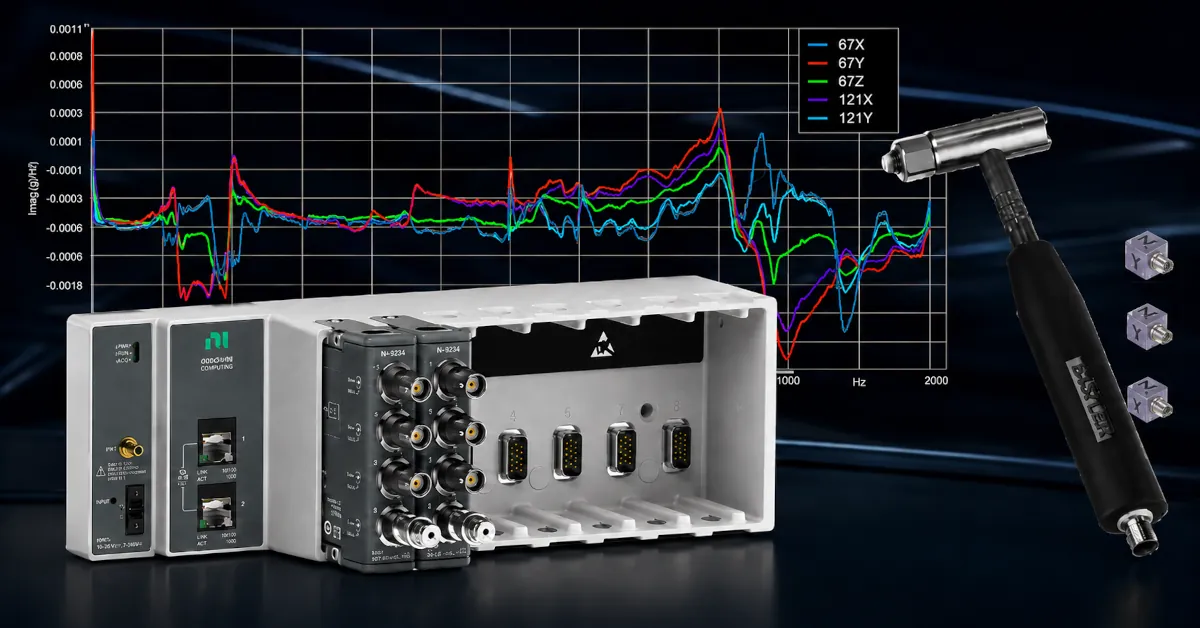
Free Engineering Guide: How to Perform Experimental Modal Analysis for Better Structural Insight
Understanding how structures vibrate—and why—is essential across nearly every engineering discipline. Whether you’re working on rotating machinery, industrial equipment, robotics, medical devices, heavy vehicles, consumer products, or building-scale…
-
 AWS IoT Analytics, cDAQ-9189, Channel Synchronization, CompactDAQ, Condition-Based Maintenance, Edge-to-Cloud High-Channel Datalogging, Engineering, Instrumentation, iTestSystem, iTestSystem Automated Analytics, iTestSystem Notification Service, NI-9236, NI-9469, Strain, Stress, structural health monitoring
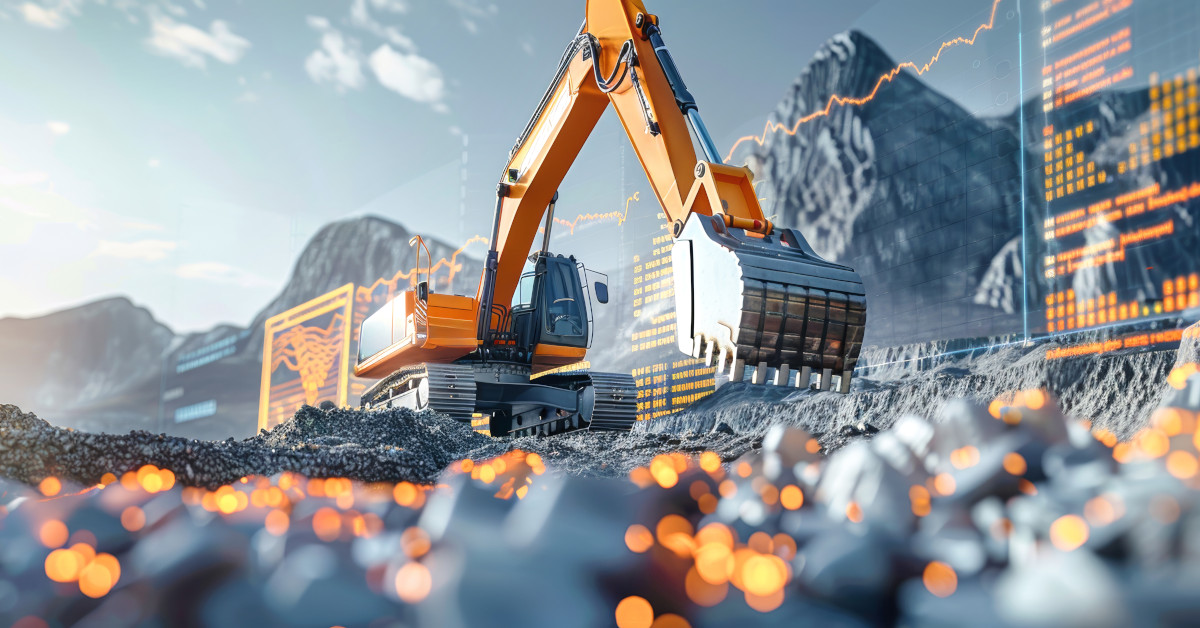
High Channel Count Synchronous Datalogging
When a manufacturer needed to validate the structural performance of a 38-ton on-highway vehicle, ITM deployed a 200+ channel synchronous datalogging system capable of capturing accelerometer, strain, GPS, and speed data at nearly 2 kS/s per channel…