
Edge Solutions
Hopper Ash Monitoring — Wireless HALT + ITM Connect
“Catch the ash bridge forming — before someone has to open the hopper to find it.”
HALT — Hopper Ash Level & Temperature
- Detects ash buildup, restricted discharge and developing bridges before they become hazardous.
- Reduces reliance on dangerous manual inspections and reactive cleanouts — nobody opens a hatch to find out.
- Temperature-based sensing is immune to the dust and harsh media inside the hopper.
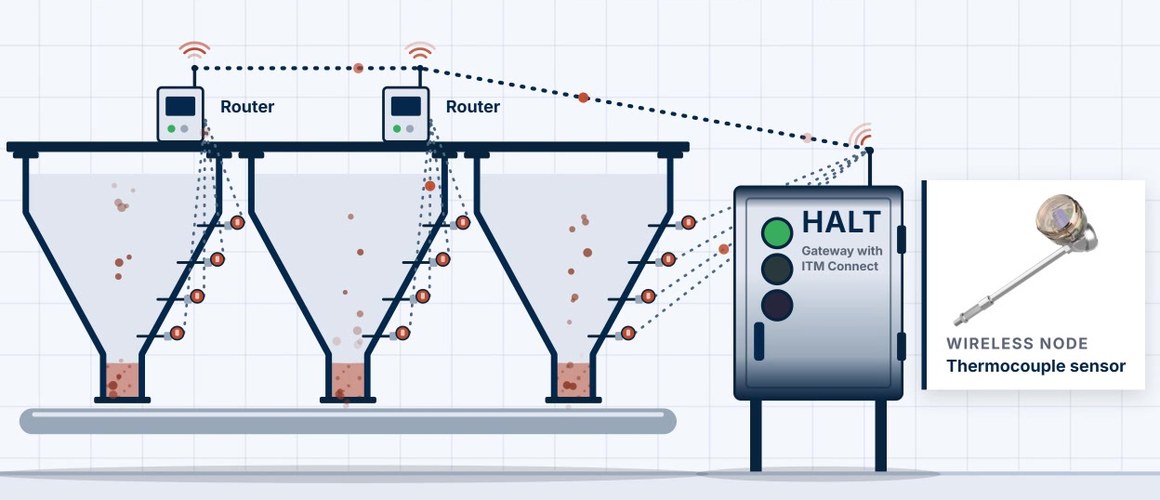
- Wireless retrofit: thermocouple nodes at critical elevations, routers and one gateway — limited wiring, less electrical labor.
Wireless HALT on ITM Connect
Wireless HALT is an Edge Solution by ITM that watches ash hoppers continuously with distributed wireless temperature sensing. Wireless thermocouple nodes measure temperature at critical elevations on each hopper and report through wireless routers to a gateway running ITM Connect. As ash accumulates, heat transfer and the temperature distribution inside the hopper change; sustained temperature shifts and abnormal gradients indicate buildup, restricted discharge or a developing bridge. ITM Connect trends every hopper at the edge, raises the alarm early, and delivers alarms and data to the PLC or DCS over Modbus TCP.
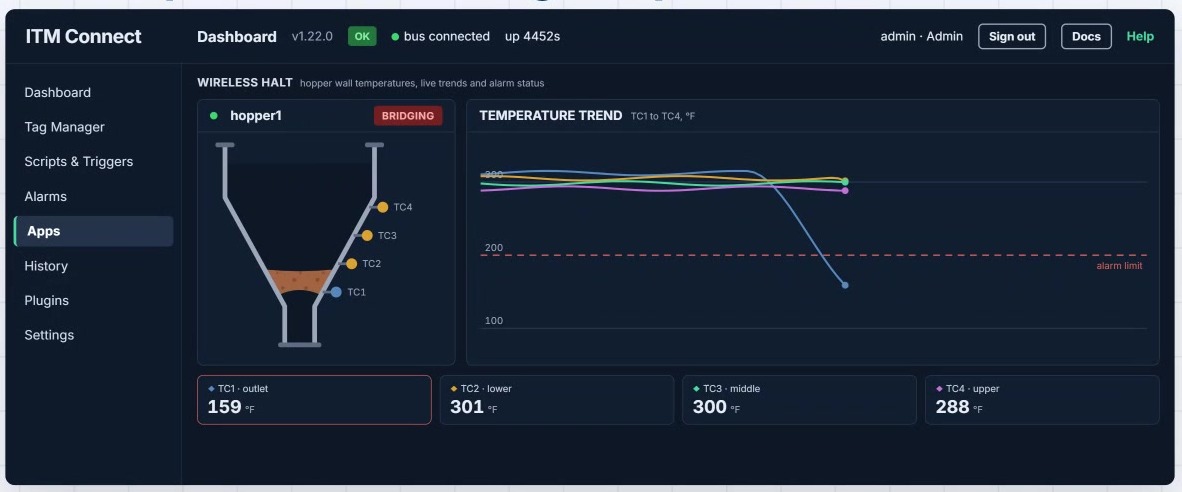
- Senses the hopper wall — wireless thermocouple nodes at critical elevations on every hopper. Contact thermocouple sensing, types K–B, with integrated cold-junction compensation.
- Trends every hopper — live temperatures and alarm status for each hopper, on one page in any browser on the network.
- Alarms early — a sustained temperature shift flags a hopper while crews can still respond safely, before a bridge can collapse.
- Delivers it to the control room — alarms and temperatures reach the PLC or DCS over Modbus TCP.
- Scales with the plant — nodes join a secure 2.4 GHz mesh through wireless routers. Start with one hopper, then cover the plant.
- Built for the boiler house — a rugged enclosure and battery-powered nodes with multi-year life, designed for harsh boiler environments.
At a glance: Thermocouple types K–B, integrated CJC · ±0.0625 °C resolution, ±2 °C typical · battery powered, ~0.21 mA sleep, multi-year life · 2.4 GHz secure mesh · Modbus TCP.
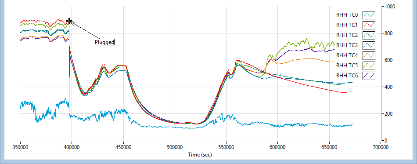
Temperature is the differentiator. A clean hopper wall runs hot. When ash builds, it insulates the sensors and their temperature drops, showing where the buildup is and how far it has progressed. Level probes have to survive inside the hopper; HALT reads the wall from outside. The trend shows a bridge forming, not just a hopper that has already plugged — so the response is planned instead of reactive.
Wireless or wired. The same early warning.
HALT began as a controller-based system that ITM has run in plants for years. Wireless HALT brings the same operating principle to ITM Connect with far less wiring. Which one fits depends on the hoppers, the conduit runs and whether the system should act on its own.
Wireless HALT
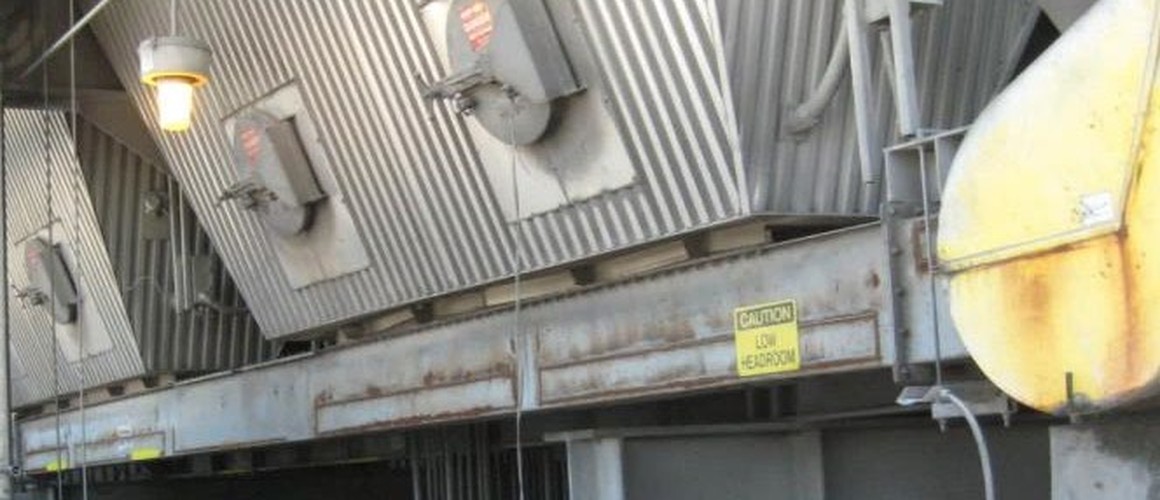
Wireless thermocouple nodes mount at critical elevations on each hopper and report through wireless routers to a gateway running ITM Connect. Limited wiring and less electrical installation labor make it the practical retrofit.
Wired HALT
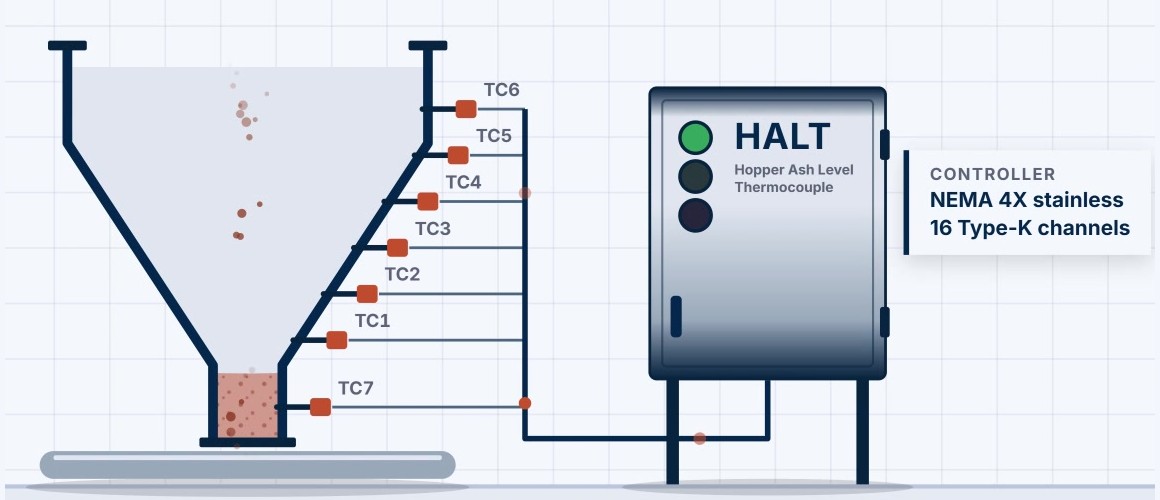
Typically seven Type-K thermocouples per hopper — six on the hopper wall, one on the discharge pipe — wired to a stainless NEMA 4X controller with 16 Type-K channels and local status lights.
Standard package
Wireless HALT arrives as one package, sized to the hopper row, with ITM support through installation and start-up.
Closed-loop clearing with wired HALT
The wired HALT controller can do more than alarm. When a hopper starts to plug, closed-loop control triggers rappers, vibrators and blowers to clear it automatically. As the ash lets go and the wall warms back up, the hopper returns to normal — without anyone standing in front of an open hatch.
Three status lights on the controller show the condition locally: green for normal, yellow for a system condition and red for a plugged or plugging hopper. The same temperatures and alarms go to the control room over Modbus, EtherNet/IP or OPC, and on to the plant historian for engineers and management.
Safety
Ash bridging is a significant personnel hazard in ash handling systems. When a bridge collapses unexpectedly, hot ash can discharge rapidly from the hopper and engulf people performing manual clearing. HALT provides early awareness of ash buildup and abnormal hopper behavior, reducing reliance on hazardous manual intervention and supporting safer maintenance practices.
Evolved from controller-based HALT systems ITM has run in plants for years — featured in POWER magazine, “Putting a HALT to Hazardous Hopper Maintenance.”
Next step: start with one hopper, then cover the plant.
Talk to an engineer: (844) 837-8797 · info@iTestSystem.com
Related Edge Solutions resources
-
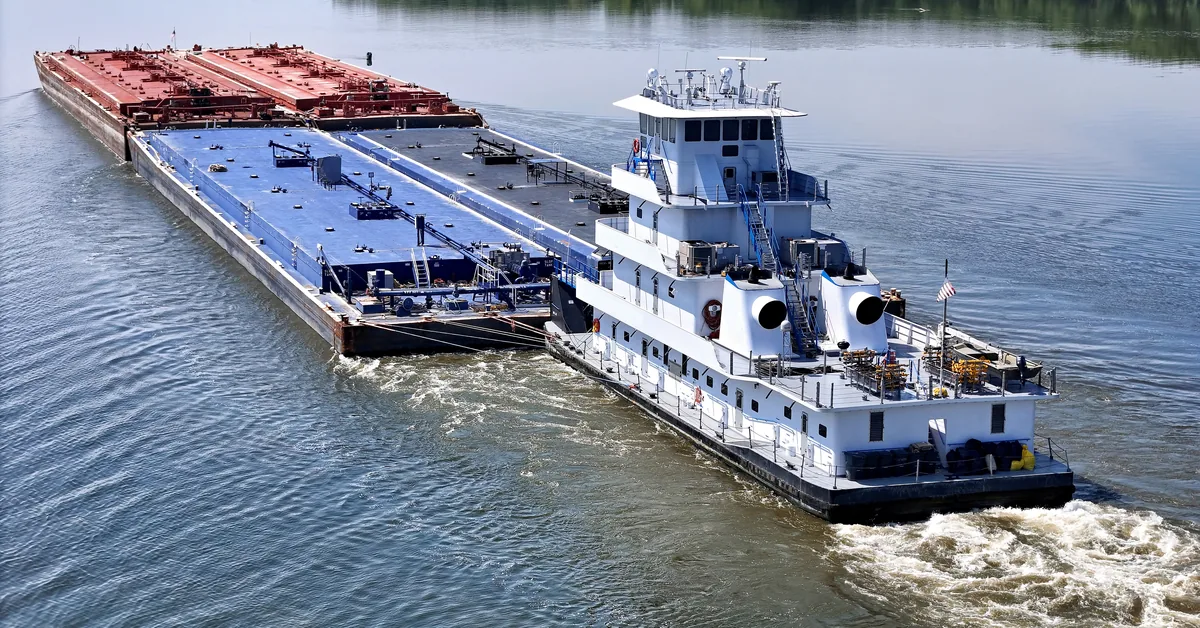
Wireless Torque. Connected Fleet. Meet ITM at the International WorkBoat Show 2026
Visit ITM at the International WorkBoat Show in New Orleans, Dec. 2–4, 2026, and see how ITM Connect turns shaft torque into insight for one vessel or a fleet.
-
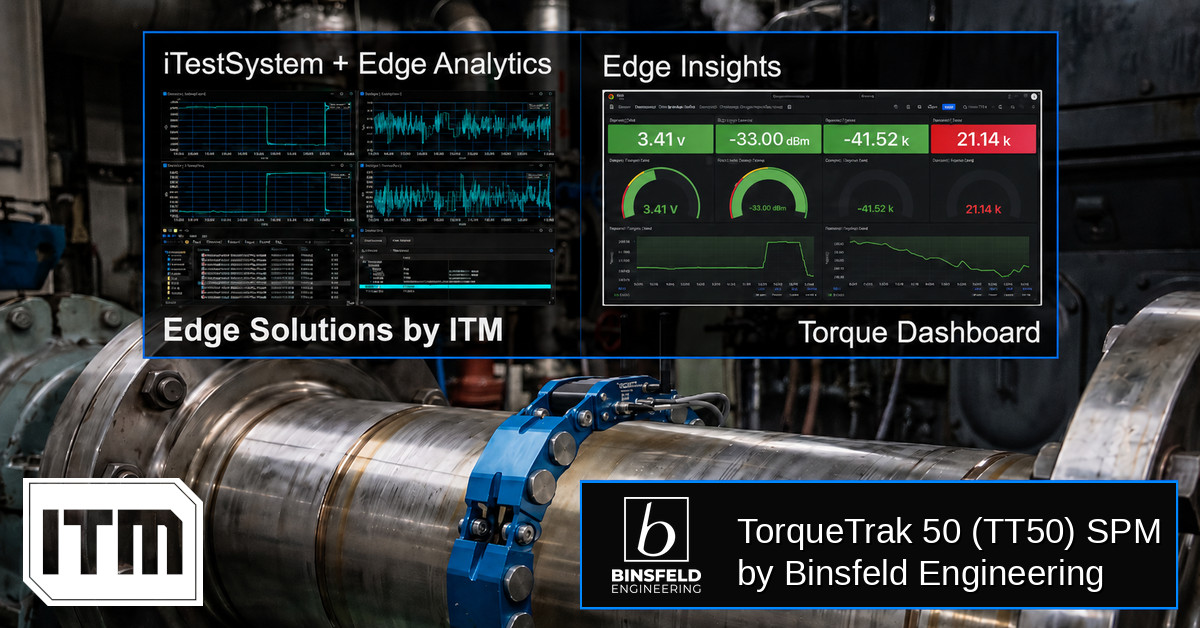
Torque-based Edge Insights: ITM iTestSystem Automated Analytics + Binsfeld TT50
In industrial and marine environments, the drivetrain is often the most critical — and least monitored — part of the system. Rotating shafts transferring torque through gearboxes, couplings, and propellers generate enormous forces that, left unmeasured, become the root cause of unexpected failures, unplanned downtime, and costly maintenance cycles. Traditional torque measurement solutions require shaft…
-
 Ash Hopper Monitoring, Boiler Monitoring, Condition Monitoring, Edge Solutions, Industrial Data Acquisition, industrial IoT, Industrial Monitoring, Power Plant Monitoring, Predictive Maintenance, Recovery Boiler, sootblower monitoring, Strain Gauge Monitoring, Thermocouple Monitoring, vibration monitoring, Wireless Monitoring
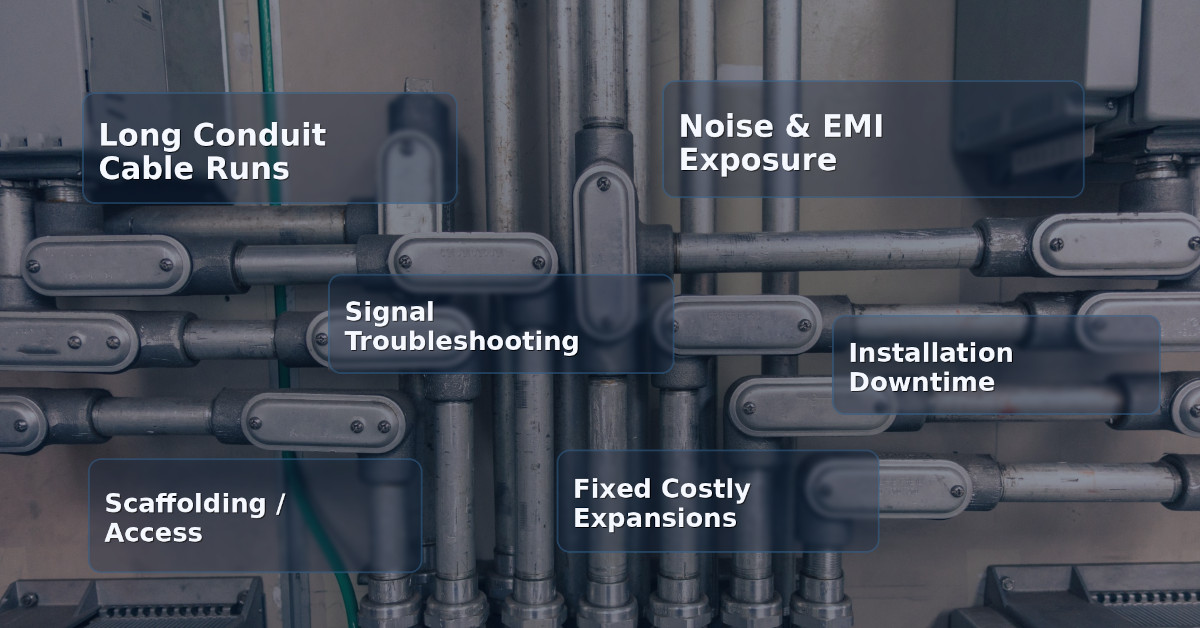
Hardwired vs. Wireless Industrial Monitoring: When Does Wireless Actually Make Sense?
For decades, hardwired data acquisition has been the default standard for industrial monitoring. From strain gauges on structural supports to thermocouples in recovery boilers, running conduit and pulling cable has been considered the “safe”…