
Edge Solutions
SFD — Sootblower Fouling Detection
“Patented vibration sensing turns invisible sootblower cleaning into measurable data.”
SFD is the vibration technology inside ITM Connect CleanPass, where it provides the Sootblower Vibration and Boiler Vibration modules.
SFD — Sootblower Fouling Detection
SFD listens to the sootblowers and to the boiler. Accelerometers go in two places: on each sootblower housing, and on the structure that carries the heat-transfer surfaces. Every time a sootblower runs, SFD records the vibration at high frequency, typically above 1,000 Hz, converts it to the frequency domain, and turns the characteristic frequencies into indicators.
Every operation is captured — no sampling, no walk-down.
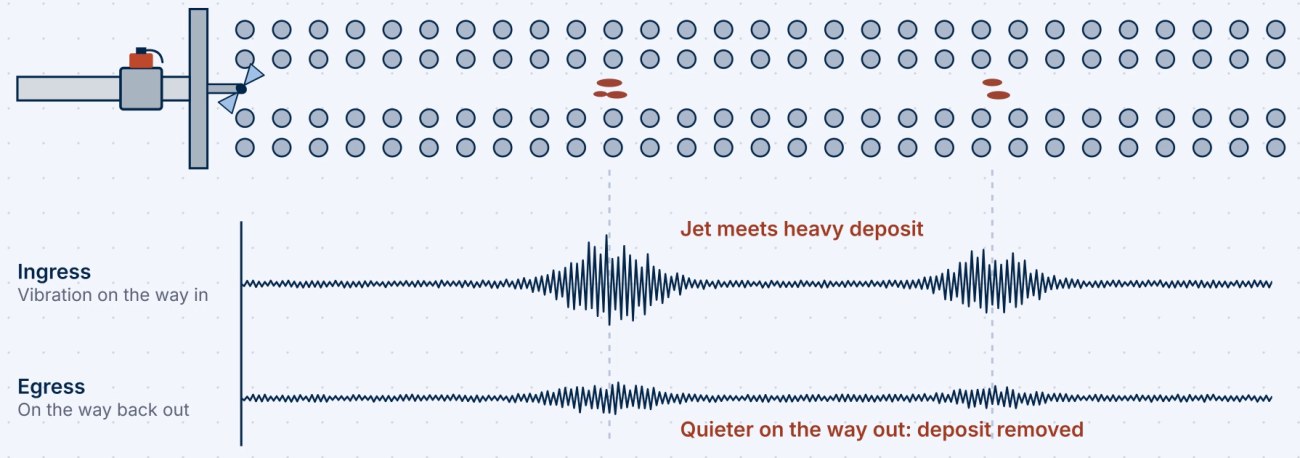
The two sensor locations answer different questions:
- On the boiler structure — how the tube section responds to the sootblower jets. Deposits damp the response, so a rising fouling index means heavier deposits on that section.
- On the sootblower — how that one sootblower behaves on that one pass: where along its path the jet meets deposit, and whether the sootblower itself is healthy.
What SFD tells you
Fouling
- A fouling index for each instrumented section, trended over months, so water washes and shedding show up plainly.
- Where along each sootblower’s path the deposits are.
- What each pass cleaned on the way in against the way out — the basis for one-way sootblowing and its steam saving.
Sootblower health
- Wear in gears, track, rollers and wheels, and rack and pinion damage.
- Low steam flow, steam leaks and header valve problems.
- Poppet valves that leak, stick open or fail to open.
- Whether a repair actually fixed the problem.
At a glance: Two sensor locations · every operation captured · indicators calculated at the edge · wired controller or battery-powered wireless node that wakes on each operation · triaxial accelerometers, ±15 g, ±30 g or ±60 g, about 8 kHz bandwidth · US patents 9,927,231 · 10,060,688 · 10,094,660 · 10,724,858, plus international filings.
A sootblower that ran is not a sootblower that cleaned. Sequence-based sootblowing assumes every blow does its job. SFD measures each one, so a fouled lane, a weak jet or a stuck poppet shows up on the shift it happens — not at the next walk-down or outage. Field results with ITM’s monitoring systems: up to 50% less sootblowing steam, typically 33%.
Beyond the recovery boiler
Recovery boilers
The home ground. SFD covers superheater, generating bank and economizer sootblowers, and full-boiler installations are in service.
Biomass and utility boilers
The same method measures fouling, slagging and sootblower performance and reliability in biomass and utility boilers.
Pulse and acoustic cleaning
Where a plant cleans with shock pulses or acoustic horns, the vibration measurement captures the strength of each cleaning pulse and how the system responds to it.
Developed by ITM founder Tim Carlier, and presented at the BLRBAC Spring 2019 meeting and the 2025 International Chemical Recovery Conference. SFD works on its own, and pairs with FMS for the largest steam savings.
Already running SFD? The installation comes into ITM Connect CleanPass as modules, is kept current, and can be extended with new modules over time.
Further reading:
- Sootblower Fouling Detection System — the SFD case study.
- Steaming Ahead with SFD in Power and Recovery Boilers
- Smarter Cleaning, Safer Boilers with ITM’s Monitoring Systems
- ITM Receives Patents for Boiler Safety and Process Optimization Technologies
- POWER magazine: Increase the IQ of Your Intelligent Sootblowing
Next step: see the complete picture in ITM Connect CleanPass.
Talk to an engineer: (844) 837-8797 · info@iTestSystem.com
Related Edge Solutions resources
-

Wireless Torque. Connected Fleet. Meet ITM at the International WorkBoat Show 2026
Visit ITM at the International WorkBoat Show in New Orleans, Dec. 2–4, 2026, and see how ITM Connect turns shaft torque into insight for one vessel or a fleet.
-
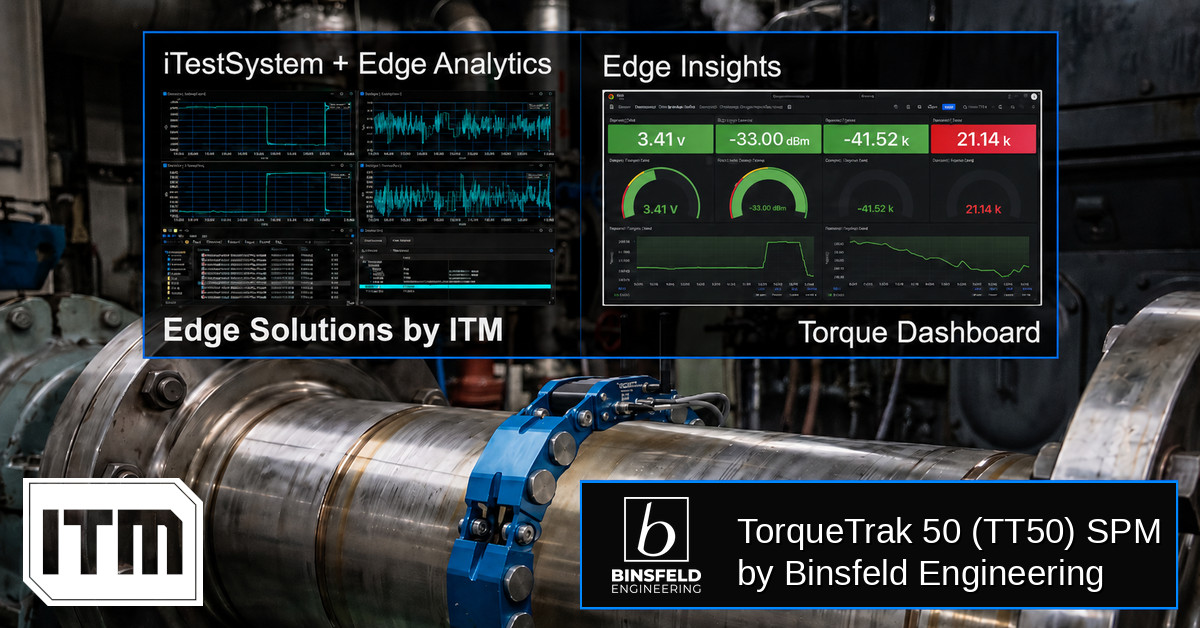
Torque-based Edge Insights: ITM iTestSystem Automated Analytics + Binsfeld TT50
In industrial and marine environments, the drivetrain is often the most critical — and least monitored — part of the system. Rotating shafts transferring torque through gearboxes, couplings, and propellers generate enormous forces that, left unmeasured, become the root cause of unexpected failures, unplanned downtime, and costly maintenance cycles. Traditional torque measurement solutions require shaft…
-
 Ash Hopper Monitoring, Boiler Monitoring, Condition Monitoring, Edge Solutions, Industrial Data Acquisition, industrial IoT, Industrial Monitoring, Power Plant Monitoring, Predictive Maintenance, Recovery Boiler, sootblower monitoring, Strain Gauge Monitoring, Thermocouple Monitoring, vibration monitoring, Wireless Monitoring
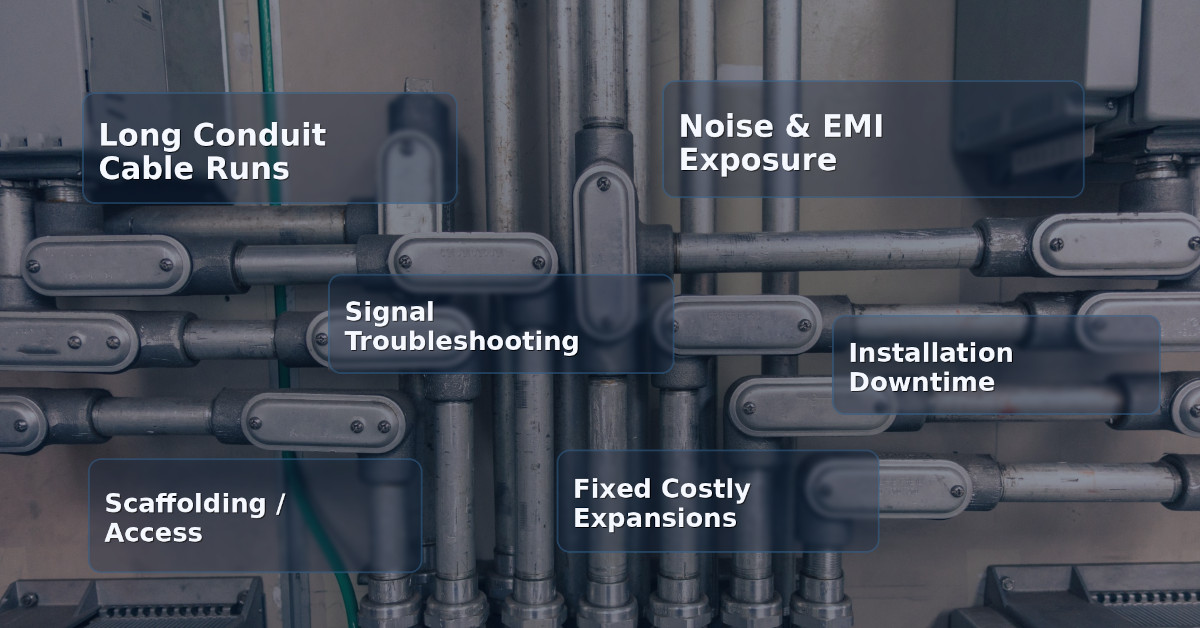
Hardwired vs. Wireless Industrial Monitoring: When Does Wireless Actually Make Sense?
For decades, hardwired data acquisition has been the default standard for industrial monitoring. From strain gauges on structural supports to thermocouples in recovery boilers, running conduit and pulling cable has been considered the “safe”…