
Industries
Marine Condition Monitoring
Edge-to-cloud shaft power, vibration, and temperature monitoring for workboats and commercial vessels — from a single torque measurement to whole-drivetrain condition monitoring.
ITM brings its field-proven edge platform, ITM Connect, to the propulsion drivetrain. Starting with a wireless shaft torque and power measurement — built on the Binsfeld TorqueTrak collar — the same on-board system folds in vibration and temperature monitoring across the engine, gearbox, line shaft, and stern tube. The result is turnkey, low-touch machinery-health monitoring designed for fleets that can’t keep an engineer aboard.
How ITM serves Marine
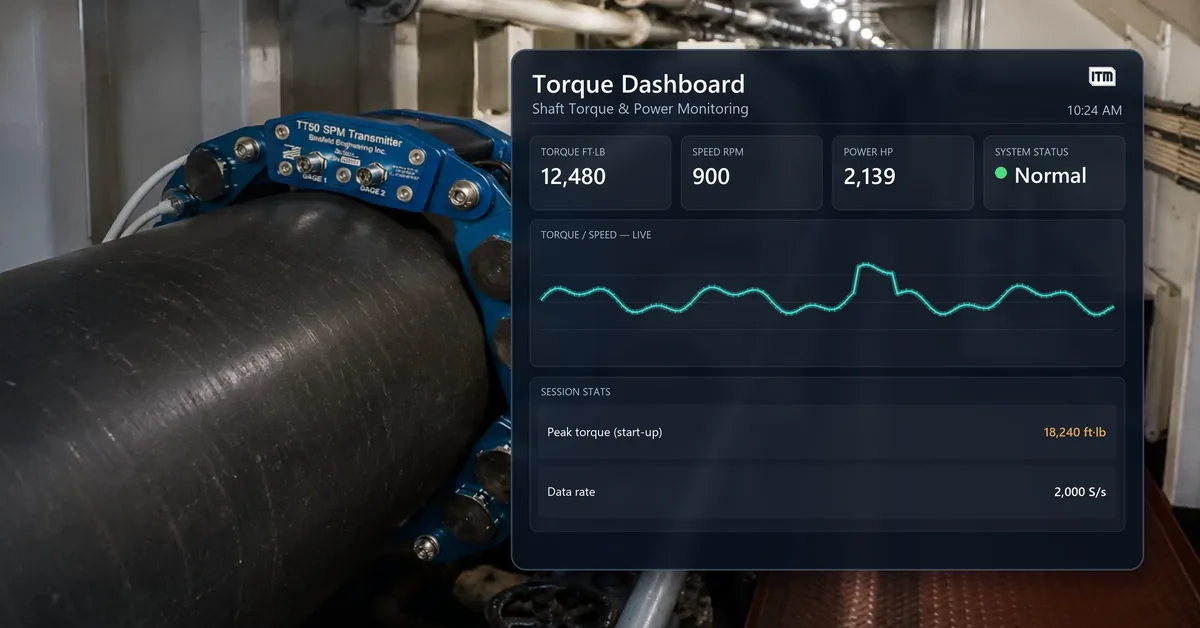
Shaft Torque & Power
A Binsfeld TorqueTrak collar clamps onto the propeller shaft and streams torque and power to the on-board compute — no engineer aboard.
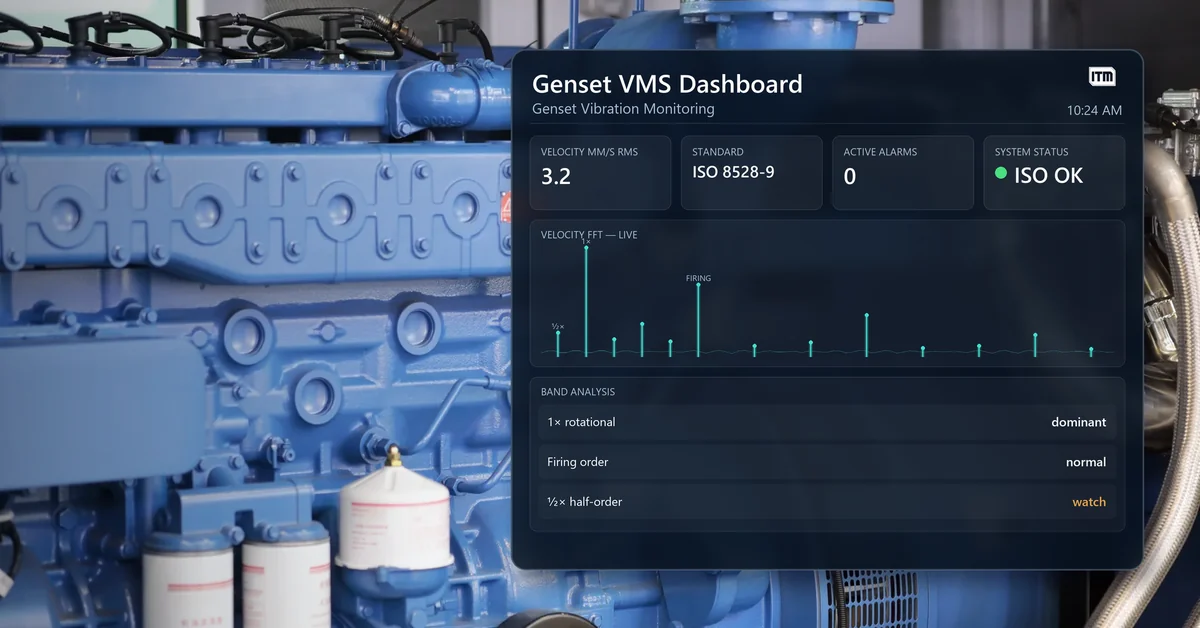
Drivetrain Vibration
Wireless vibration nodes watch the main engine, gearbox, and line shaft — order-tracked and standards-informed for early fault detection.
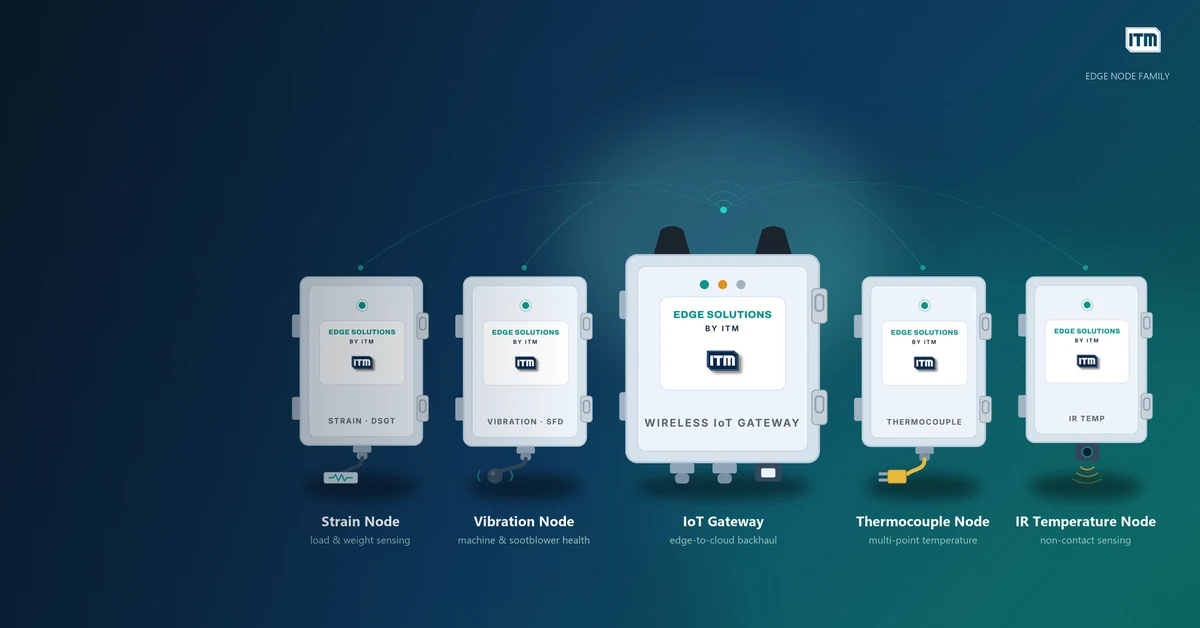
Bearing Temperature
Wireless thermocouple and infrared nodes track stern-tube and line-shaft bearing temperatures, flagging rate-of-rise before a bearing lets go.
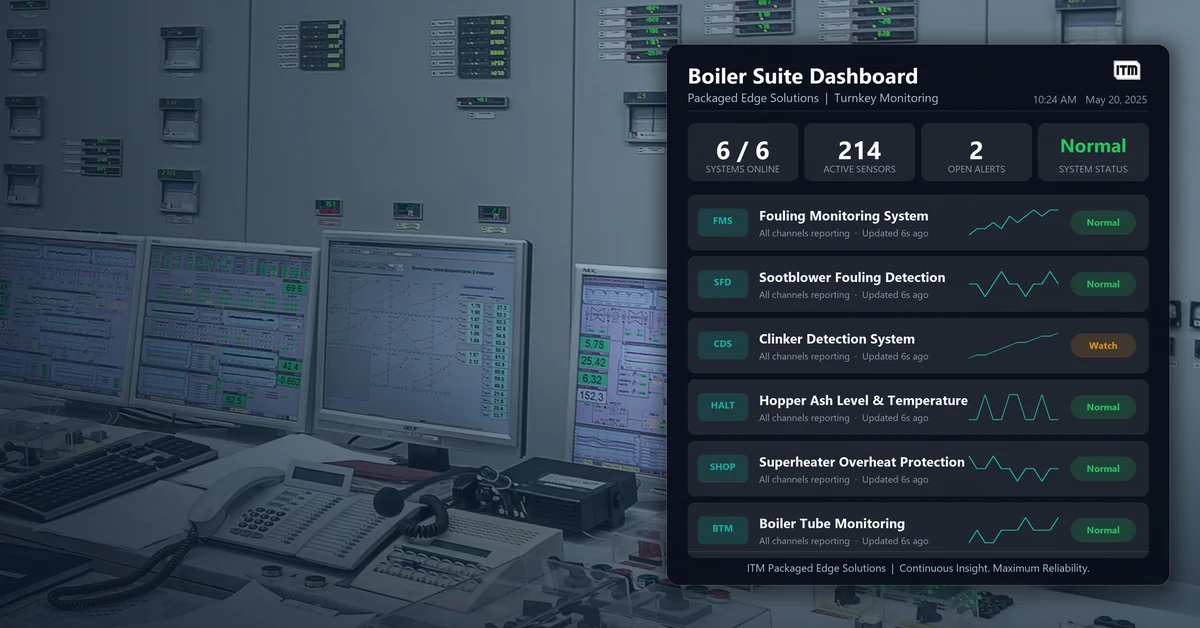
Packaged Marine Monitoring
ITM Connect acquires, on-site analytics compute, and dashboards present the whole drivetrain — ship and shore — as one packaged system.
From the shaft to the whole drivetrain
1. Instrument the shaft
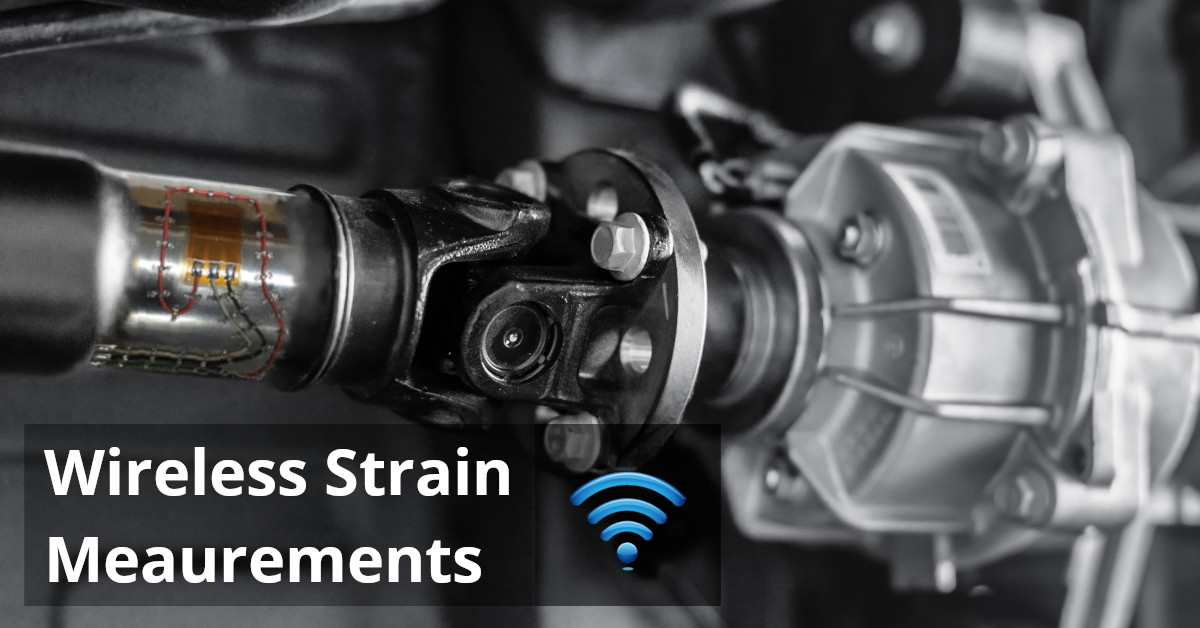
The Binsfeld collar’s TX50 transmitter sends shaft torque over Bluetooth Low Energy directly to the on-board compute. A two-tier acquisition captures 1 Hz KPI trends continuously and fires scheduled high-rate burst FFTs, so misfire, propeller damage, and gear-mesh signatures surface without anyone watching a screen.
2. Extend to the whole boat
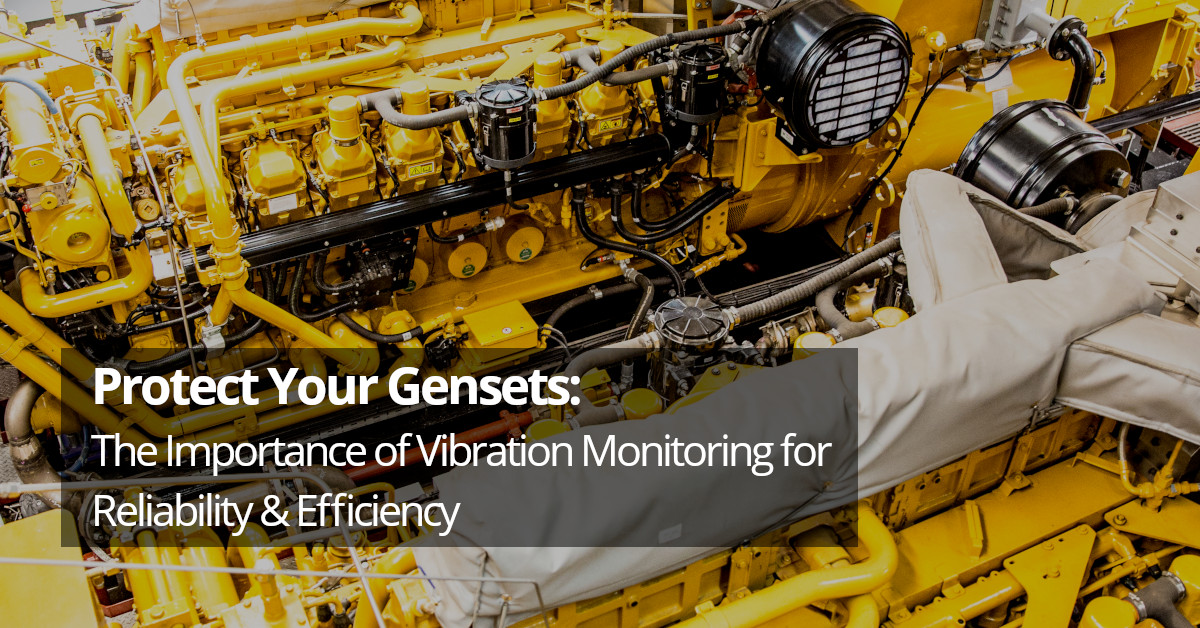
Add wireless thermocouple, infrared, vibration, and hull-strain Edge Nodes, plus onboard fuel-flow and GPS feeds. The nodes are duty-cycled — waking on a roughly 60-second schedule or instantly on high vibration — and their readings are time-correlated with the live shaft data. The payoff case is the stern-tube bearing save: catching a bearing’s rate-of-rise before it becomes a casualty.
3. Diagnose the drivetrain
For a full picture, up to six wireless triaxial vibration nodes run from the engine to the stern support. Order-tracked and standards-informed — drawing on ISO 10816-6, 20283-4, and 20816-9 — the system supports port-versus-starboard comparative diagnostics on twin-screw boats. Final alarm limits are always set per vessel, OEM, and class society.
Why marine operators monitor
Regulation has turned propulsion power into a measured, reportable quantity — and the economics of an avoided failure are stark.
- Carbon rules (IMO EEXI/CII) — measured shaft power is the reference for a vessel’s carbon-intensity rating, which means continuous, auditable torque and power data.
- Towing-vessel safety (USCG Subchapter M) — the machinery-health records this monitoring generates fit directly into a towing safety management system’s maintenance evidence.
- Class notations (DNV TMON, Shaft align) — class programs reward the multi-parameter shaft monitoring ITM provides, and can extend tailshaft survey intervals.
- Loss economics — stern-tube bearing failures are among the most expensive marine machinery claims, and documented condition-based-maintenance programs report sharply fewer unplanned failures and longer maintenance intervals.
ITM’s monitoring is standards-informed — it puts the right measurement and analytics in front of your reliability team; final limits and compliance determinations rest with the vessel, its OEMs, and its class society.
Monitoring built for your fleet
From a single shaft-power survey to whole-drivetrain condition monitoring across a fleet, an ITM engineer will help you scope the right approach — in partnership with Binsfeld Engineering.
Related resources
-
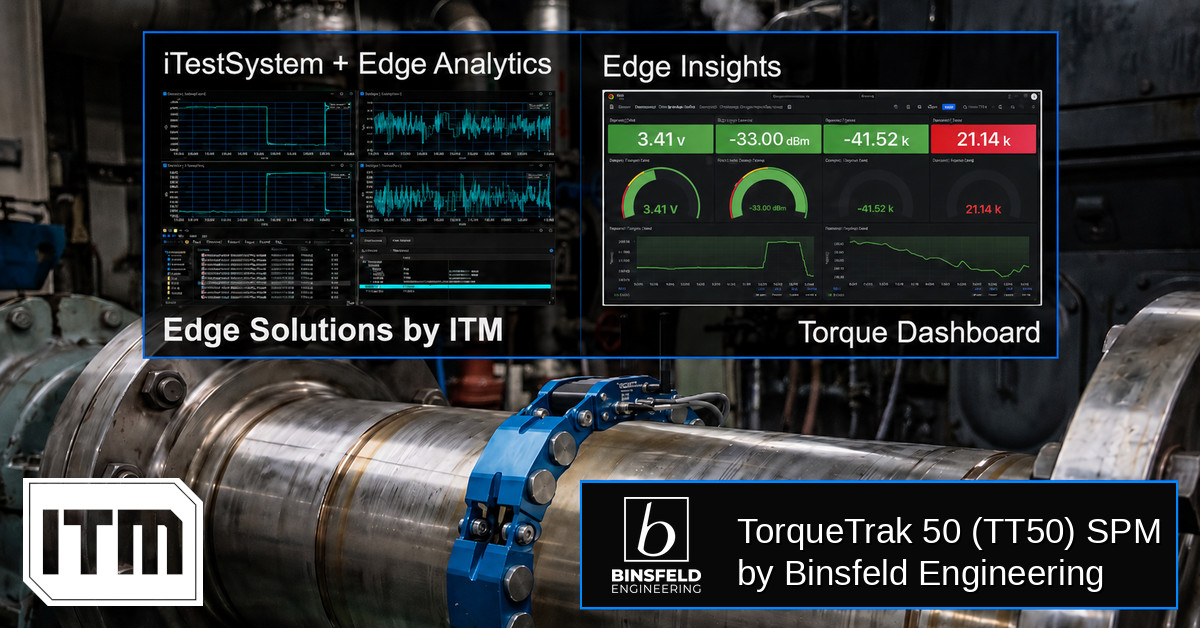
Torque-based Edge Insights: ITM iTestSystem Automated Analytics + Binsfeld TT50
In industrial and marine environments, the drivetrain is often the most critical — and least monitored — part of the system. Rotating shafts transferring torque through gearboxes, couplings, and propellers generate enormous forces that, left unmeasured, become the root cause of unexpected failures, unplanned downtime, and costly maintenance cycles. Traditional torque measurement solutions require shaft…
-
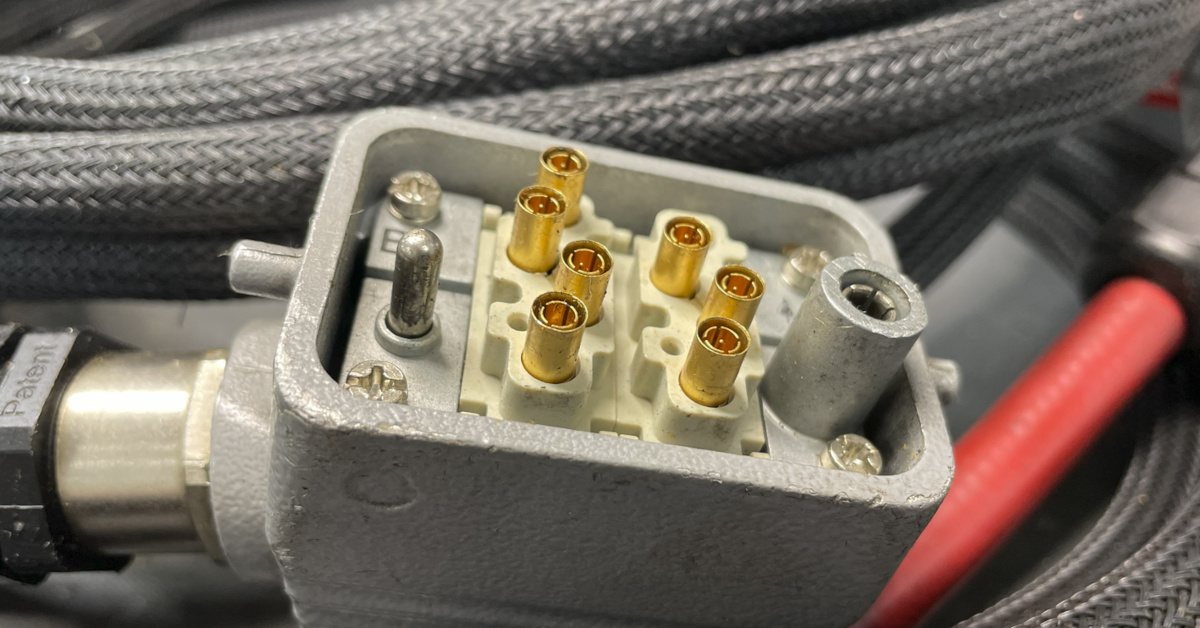
Precision Cable Harness Fabrication at ITM — Milford, Ohio
How ITM’s people and engineering depth deliver aerospace-grade harness quality, faster and more efficiently. Test System Harnesses, Engineered End-to-End Test system cable harnesses are the connective tissue between a test article and the data acquisition system that records it — strain gauge lead wires, sensor cabling, signal-conditioner runs, and DAQ interconnects. Whether the article is…
-
 Ash Hopper Monitoring, Boiler Monitoring, Condition Monitoring, Edge Solutions, Industrial Data Acquisition, industrial IoT, Industrial Monitoring, Power Plant Monitoring, Predictive Maintenance, Recovery Boiler, sootblower monitoring, Strain Gauge Monitoring, Thermocouple Monitoring, vibration monitoring, Wireless Monitoring
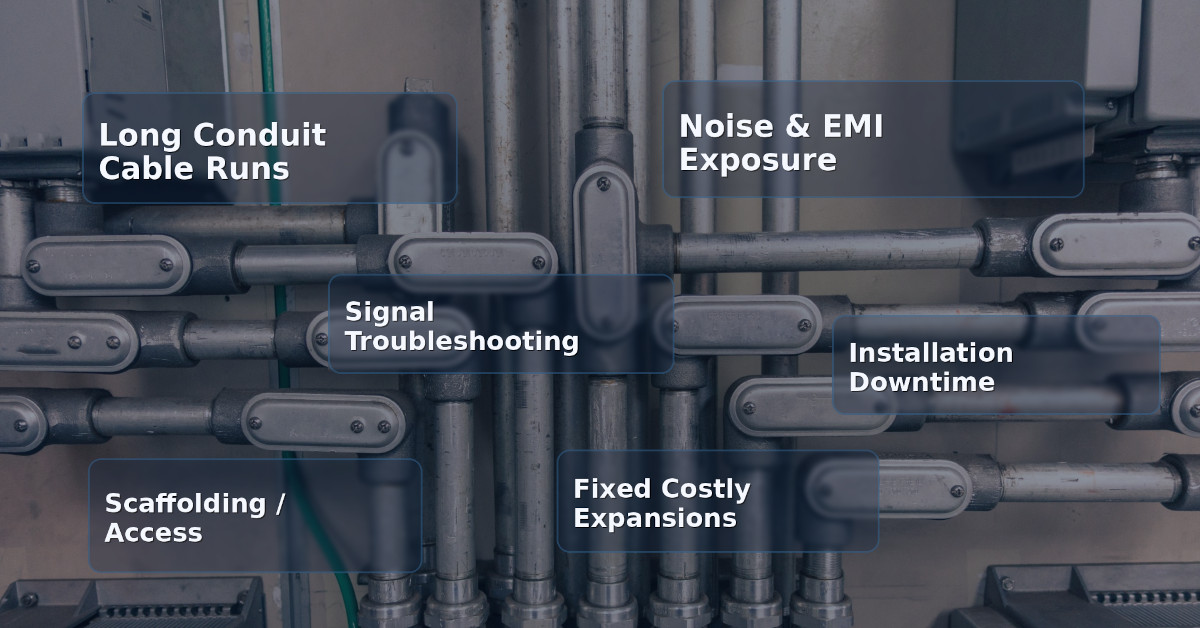
Hardwired vs. Wireless Industrial Monitoring: When Does Wireless Actually Make Sense?
For decades, hardwired data acquisition has been the default standard for industrial monitoring. From strain gauges on structural supports to thermocouples in recovery boilers, running conduit and pulling cable has been considered the “safe”…